
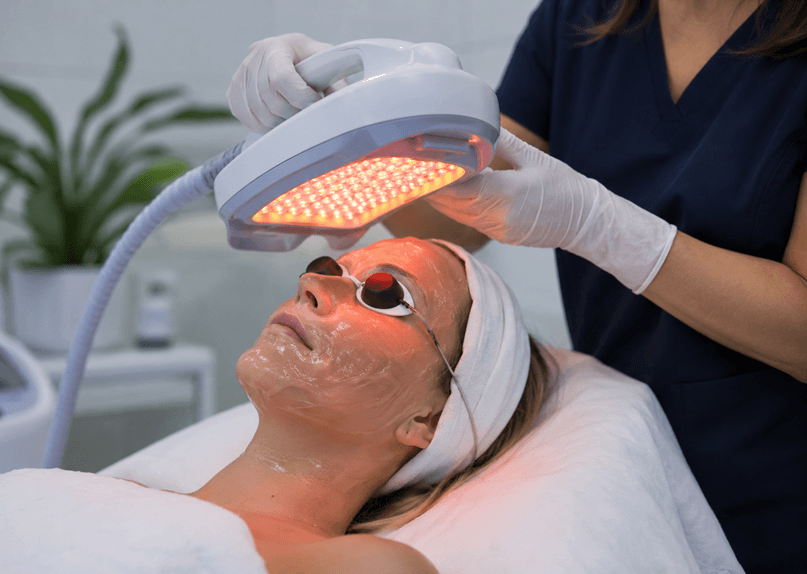
Photodynamic Therapy in Sydney: Treatment for Sun-Damaged Skin
Photodynamic therapy in Sydney offers an effective, non-invasive way to treat sun-damaged skin and precancerous lesions.
At Pymble Dermatology, this treatment is available for patients dealing with actinic keratoses and other signs of long-term sun exposure. It combines a light-sensitive cream with a controlled light source to target abnormal cells while protecting nearby healthy tissue.
How PDT Helps Sun-Damaged Skin
PDT is well-suited to Australia’s high-UV environment, where sun damage is common and often widespread. For many patients, photodynamic therapy in Sydney offers a practical option for treating visible lesions and broader damaged areas in a single approach. This makes it especially useful for managing actinic keratoses before they progress further.
Why Patients Choose PDT
Compared with more invasive procedures, PDT is gentler on the skin and usually involves minimal downtime. Most patients can return to normal routines sooner, with fewer concerns about scarring or lengthy recovery. It also delivers strong results, making it a trusted option for both treatment and ongoing skin management.
Speak With Pymble Dermatology
If you are looking for expert care for sun-damaged skin, Pymble Dermatology can help. Their team can assess your skin, explain your options, and guide you towards the most suitable treatment plan.
Frequently Asked Questions
1. What conditions can this treatment help with?
This treatment is commonly used for actinic keratoses, sun-damaged skin, and some superficial skin cancers. Photodynamic therapy may also help improve overall skin texture and appearance.
2. Is the procedure painful?
Most patients experience mild warmth, tingling, or stinging during treatment. These effects are usually temporary and settle soon after the session.
3. How long does recovery take?
Recovery is generally quick. Some redness, peeling, or sensitivity may occur for several days, but most patients return to normal routines shortly after treatment.


