
Digital Mole Monitoring: Understanding the Risks of Skin Cancer
Digital mole monitoring uses high-resolution imaging to track your moles over time, helping dermatologists spot subtle changes that may signal melanoma. Because early detection greatly improves outcomes, regular monitoring offers valuable peace of mind. Let us explain in this blog key melanoma risk factors, how monitoring works, and why it supports earlier, more confident care.
Who Is at Higher Risk of Melanoma?
Melanoma is the most aggressive form of skin cancer, and some people face greater risk. Risk factors include having many moles, fair skin that burns easily, a history of sunburn, and a family history of melanoma. Previous skin cancers also increase your risk.
How Mole Mapping Works
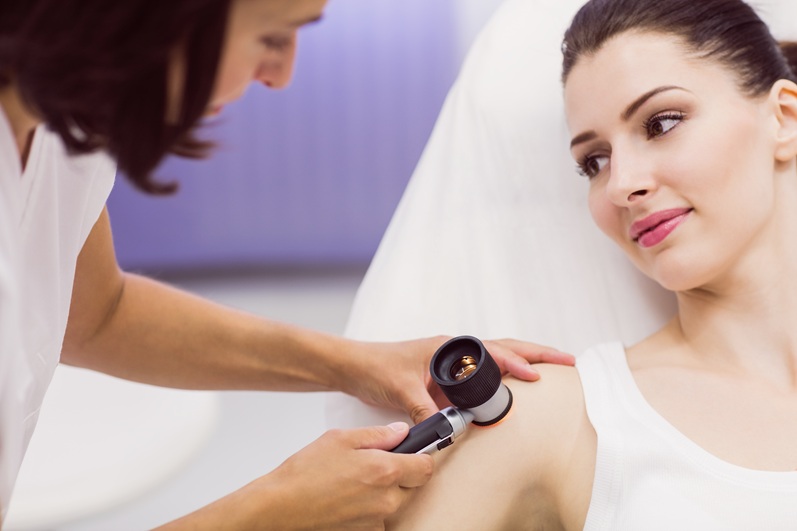
During digital mole mapping, total body photographs and close-up dermoscopy images create a detailed record of your skin. At each visit, your dermatologist compares new images with earlier ones to identify new or changing lesions.
Why Regular Monitoring Matters
Melanoma caught while still thin is far easier to treat. Tracking change also reduces the need to remove harmless moles, sparing unnecessary biopsies. You gain clear information and a more active role in your own care.
Protect Your Skin with Pymble Dermatology
Our team offers gentle, thorough skin assessments in a calm setting. If you have many moles or a family history of melanoma, digital mole monitoring offers reassurance and expert oversight. Contact Pymble Dermatology today to arrange your personalised skin cancer assessment.


